

Common Commercial Tire Wear Patterns: What Your Tires Are Trying to Tell You
Commercial tires are designed to perform under demanding conditions, carrying heavy loads through changing seasons, road surfaces, and daily operations. While tread wear is a natural part of every tire’s service life, how a tire wears can reveal valuable insights into both tire performance and overall operating conditions.
Uneven wear often develops long before a warning light appears or a mechanical issue becomes noticeable. Recognizing these early signs allows fleets to address potential maintenance concerns, improve vehicle performance, and help maximize tire life.
Tire Wear Tells the Story of Your Fleet
A commercial tire is the only point of contact between the vehicle and the road. Every mile, every load, and every turn can affect how the tread wears over time.
When wear remains even across the tire, it’s often a sign that the vehicle, maintenance practices, and tire selection are working together as intended. Uneven wear, however, can provide an early indication that adjustments may be needed to keep vehicles operating at their best.
Regular inspections can help fleets:
- Extend tread life
- Improve fuel efficiency
- Reduce irregular tire removals
- Protect retreadable casings
- Lower maintenance costs across the fleet
Rather than viewing tire wear as the end of a tire’s life, successful fleets use it as valuable maintenance information.
Understanding Common Tire Wear Patterns
Not all tread wear tells the same story. Some wear patterns are a normal part of a tire’s service life, while others may require further inspection. Understanding these differences helps fleets identify potential issues early, make informed maintenance decisions, and promote longer, more consistent tire performance.
Below are some of the most common commercial tire wear patterns and what they may be telling you.
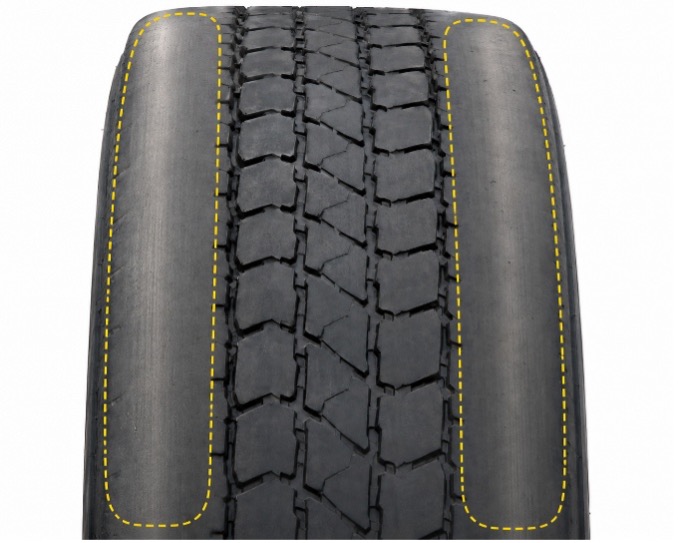
Shoulder Wear
Shoulder wear is one of the most common tread wear patterns found on commercial tires, often indicating that the tire is carrying more load on its outer edges than intended.
In many cases, this type of wear is related to inflation pressure, loading practices, or demanding operating conditions.
Common contributing factors include:
- Underinflation
- Heavy or uneven loading
- Frequent turning or scrubbing
- Stop-and-go applications
Correcting inflation pressure early improves tread life while reducing rolling resistance and heat buildup.
Center Wear
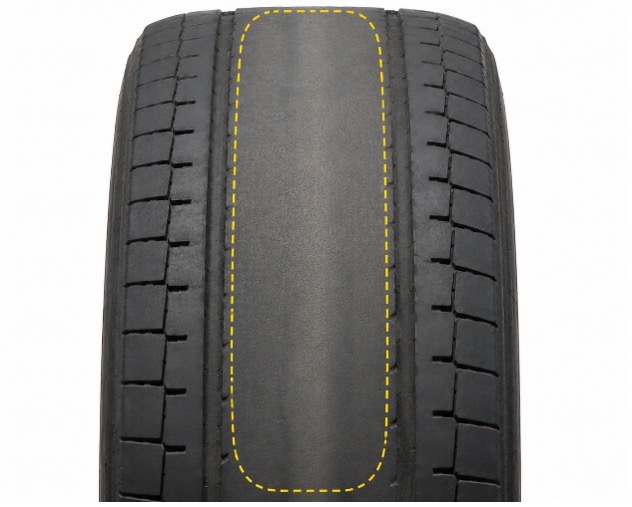
Center wear typically develops when the middle ribs of the tread carry more of the vehicle’s load than the shoulders.
This pattern is commonly associated with excessive inflation pressure, which reduces the tire’s contact patch and accelerates wear through the center of the tread.
Common contributing factors include:
- Overinflation
- Seasonal pressure changes
- Inflation pressure not matched to actual vehicle loads
Routine pressure checks remain one of the simplest and most effective ways to maximize tire life.
Heel-and-Toe Wear
Heel-and-toe wear occurs when drive tires’ tread blocks experience repeated acceleration, braking and torque throughout normal operation.
While some heel-and-toe wear is expected, excessive wear may affect ride quality and tread life.
Common contributing factors include:
- High torque applications
- Frequent acceleration and braking
- Lack of tire rotation
- Improper inflation
Regular maintenance helps keep this wear pattern under control and promotes more consistent tread wear.
One-sided Edge Wear
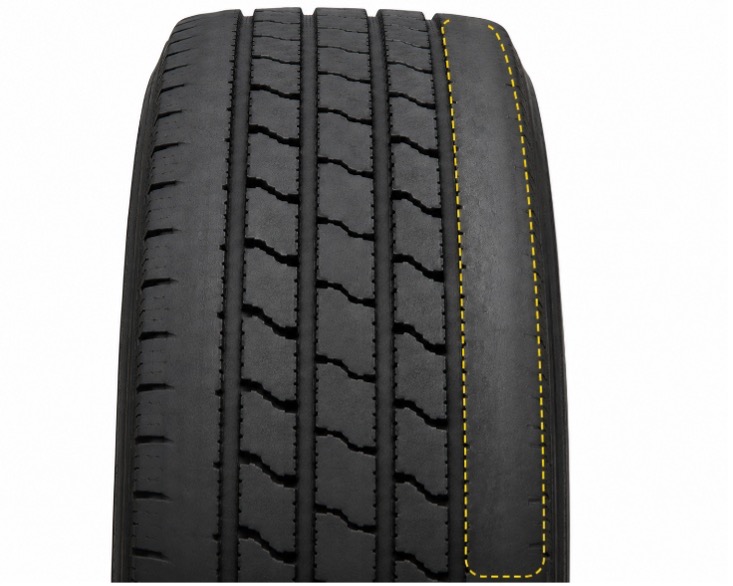
One-sided edge wear is a strong indicator that the tire is no longer making even contact with the road surface.
Wear concentrated on either the inner or outer shoulder, suggesting that alignment or steering-related issues should be inspected before the condition becomes more severe.
This pattern is often associated with:
- Improper wheel alignment
- Worn steering or suspension components
- Bent or damaged axle components
- Persistent operation with incorrect alignment settings
Routine alignment inspections and suspension maintenance can help restore even tread wear, improve vehicle handling, and maximize tire mileage.
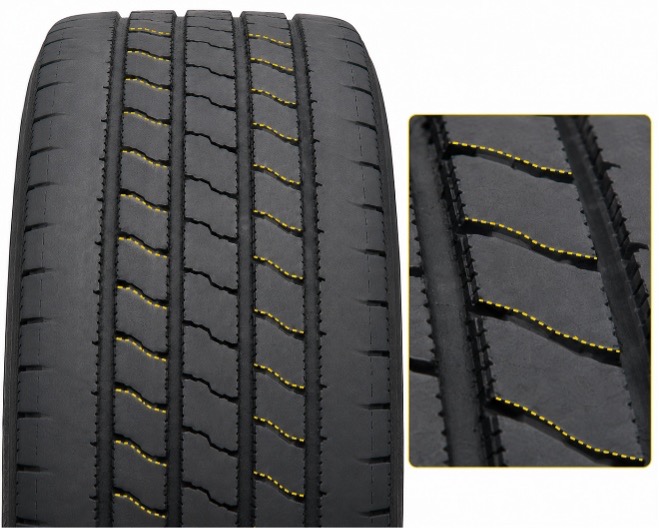
Cupping Wear
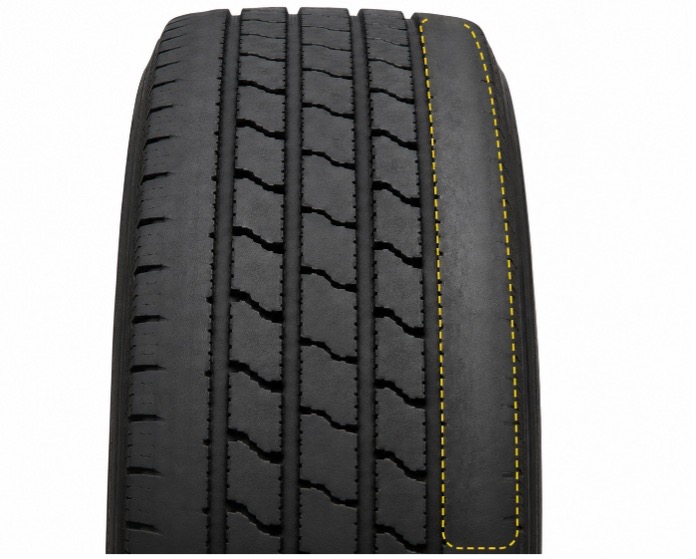
Cupping is a sign that the tire is reacting to inconsistent contact with the road rather than wearing evenly throughout normal operation.
As the tread develops a series of high and low spots, ride comfort may decline while vibration and road noise become more noticeable. Addressing the underlying vehicle condition early can help prevent the wear from becoming more severe.
Possible contributing factors include:
- Worn shock absorbers
- Wheel imbalance
- Loose wheel bearings
- Suspension wear
Correcting the underlying mechanical issue helps restore consistent road contact, improve ride quality, and extend tire service life.
Tire Design Plays an Important Role in Managing Wear
Every application presents its own challenges. Whether it’s long-haul, regional, or mixed-service operations, choosing the right tire helps fleets achieve more even tread wear and longer tire life. Managing tire wear involves more than selecting the right tire. Regular evaluation of wear patterns can help fleets identify potential maintenance needs and make informed service decisions.
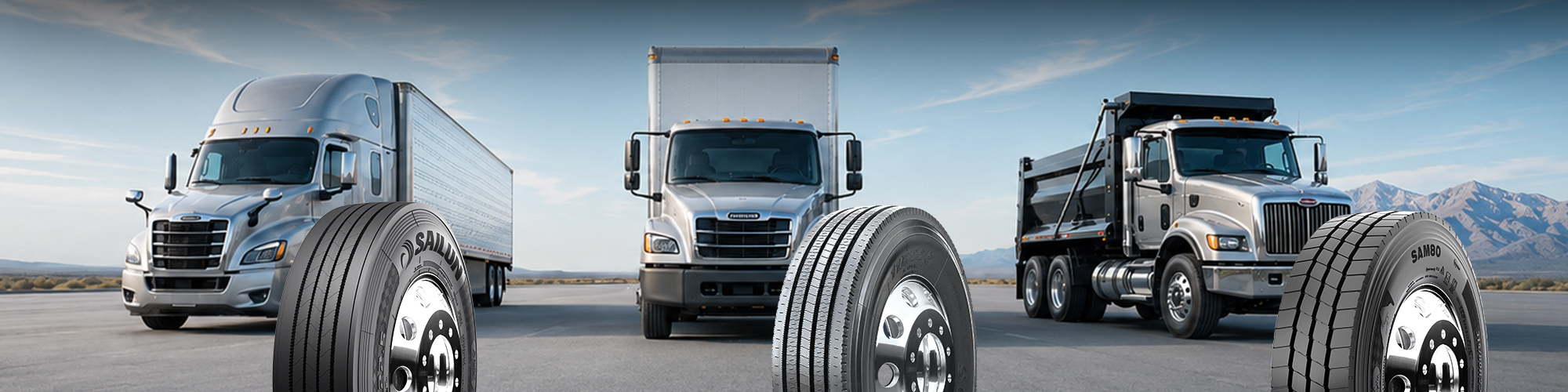
Sailun Tires offers a full lineup of commercial tires designed to address the different demands of fleet operations. With a focus on durability, retreadability, and total cost of ownership, Sailun provides tire solutions that can help fleets manage wear, extend tire life, and get more value from their tire investment.
Long-Haul
For long-haul fleets, the SFL70 EFT is engineered to promote long, even tread wear while delivering stable handling and fuel-efficient performance over extended highway miles.
Pick-up & Delivery
For regional operations, the S606 EFT features an interlocking symmetrical rib design and tread wall grooves that help promote even wear and dependable mileage across changing road conditions.
Mixed-Service
In demanding mixed-service applications, the SAM80 combines an extra-deep tread, solid shoulder design, and durable casing construction to help resist scrub wear and extend tread life.
With an 8-year warranty across the broader lineup, Sailun provides added coverage that extends beyond the initial purchase. For fleets focused on managing tire costs over time, that added coverage can provide greater value throughout the life of the tire. Along with choosing the right tire and monitoring wear, warranty coverage is another consideration that can help fleets plan for tire replacement and get more from their investment.
Keeping Fleets Moving
Regular maintenance and the right tire for the application can make a meaningful difference over the life of a commercial tire. By acting when needed and selecting tires suited to the job, fleets can help extend tread life, manage costs, and keep trucks on the road.