

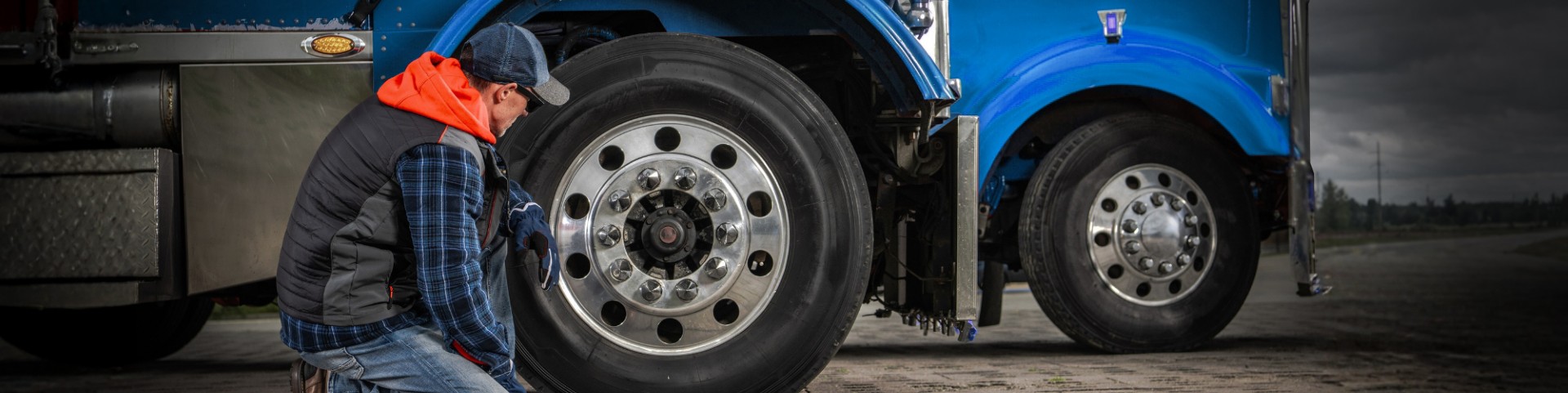
Why having the correct tire size matters more than you think
tbr
When fleets talk tires, the conversations usually goes straight to common issues like tread life, pricing, and cost per mile. All of that is very important, but there’s another factor that often gets overlooked until it shows up in things such as fuel numbers or driver feedback: tire size.
On paper, a comparison between a tire sized 10R22.5 and 11R22.5 doesn’t look all that different. Same wheel size and similar construction. Close enough that some people assume they behave the same way on the road. Sadly that couldn’t be further from reality, and that difference shows up every single time your truck hits the road.
Maybe you’ve ever wondered why sometimes one truck feels more relaxed on the highway or why another truck seems to work harder at the same speed, tire size is more often than not part of the answer.
Let’s dive down into the real-world terms and look at how tires like the Sailun S637 and Sailun S753 perform in each size. Two capable tires but the right size for your truck can make a world of difference.
The Physical Difference That Changes Everything
Both 10R22.5 and 11R22.5 use a 22.5-inch rim and have an aspect ratio of 88%. This means the sidewall height is tied directly to the tire’s width.
Here’s what that actually works out to:
- 10R22.5
- 10 inches wide
- 8.8-inch sidewall
- About 40.1 inches overall diameter
- 11R22.5
- 11 inches wide
- 9.68-inch sidewall
- About 41.86 inches overall diameter
That extra inch and change in diameter doesn’t look like much when you’re standing next to the truck — but once the wheels start turning, it makes a noticeable difference.
A taller tire covers more ground with every rotation. That’s the key thing to remember.
What That Means at Highway Speed
Let’s use a setup most fleets are familiar with: Eaton Fuller 13- or 18-speed transmission, 0.73 overdrive, and 3.55 rear gears.
At 1,500 RPM:
- With 10R22.5, the truck is running about 69 MPH
- With 11R22.5, it’s closer to 72 MPH
Nothing else changes. Same engine. Same gearing. Same truck. The only difference is tire size.
That’s why fleets running 11R22.5 often notice lower RPM at cruise speed — and why long-haul drivers tend to prefer the feel on the highway.
How Each Size Feels on the Road
Long Highway Runs
If most of your miles are steady highway miles, 11R22.5 usually feels calmer. The engine isn’t working quite as hard, and everything settles into a smoother rhythm.
Matched with a drive tire like the Sailun S637, that setup makes sense for fleets focused on efficiency and consistent highway speeds. Lower RPM doesn’t just help fuel numbers — it can also reduce noise, vibration, and long-term drivetrain stress.
Regional and Mixed Routes
On the other hand, 10R22.5 tends to feel a bit more responsive. Acceleration feels quicker, and the truck reacts faster when you’re dealing with traffic, intersections, or rolling terrain.
That’s where something like the Sailun S753 in a 10R22.5 size really shines. It’s a solid choice for fleets that aren’t just cruising all day but dealing with real-world conditions — stops, starts, turns, and uneven roads.
Where Sailun S637 and S753 Fit In
Sailun S637 (Drive Position)
The S637 is built with long tread life and steady, predictable traction in mind.
- In 10R22.5, it delivers strong pull and consistent grip, especially useful when routes include hills or frequent speed changes.
- In 11R22.5, it helps the truck settle into a lower-RPM cruise, making it a strong option for long-haul fleets focused on fuel efficiency.
Same tire, different behavior all because of an inch and a bit of size difference.
Sailun S753 (All-Position)
The S753 is all about flexibility.
- In 10R22.5, it feels nimble and controlled, especially in steer or mixed-position applications.
- In 11R22.5, it offers a smoother highway ride while maintaining even wear across positions.
For fleets that want one tire to handle multiple roles, size selection should become just as important as tread design.
Load, Stability, and Contact Patch
Another thing fleets notice — especially at highway speeds — is stability.
The 11R22.5 puts a slightly larger footprint onto the road. That translates to better stability under consistent loads and a more planted feel when cruising.
The 10R22.5 on the other hand, often feels more precise in tighter driving situations where steering input and braking response matter more than long-distance cruising comfort.
Neither tire is performing incorrectly, they’re both just built for different jobs.
Fuel Economy: Not Magic, Just Math
No tire size is a miracle fuel saver. But over time, small differences matter.
- 11R22.5 can help lower RPM at highway speed, which may reduce fuel consumption on long routes.
- 10R22.5 may burn slightly more fuel at cruise, but can be more efficient on regional routes where speeds constantly change.
Over thousands of miles, those differences add up — especially when you’re managing an entire fleet
Choosing the Right Size for Your Operation
Instead of asking “Which size is better?”, the question should be: Which size fits how my trucks actually run?
10R22.5 would make sense If:
- Your trucks run regional or urban routes
- There’s frequent stopping and starting
- Drivers want quicker response
- Routes include varied terrain
11R22.5 Makes Sense If:
- Your trucks spend most of the day on the highway
- You want lower RPM at cruise
- Fuel efficiency is a top priority
- Speeds stay fairly consistent
Pair either size with Sailun S637 or S753, and you’re setting the tire up to do what it was designed to do.
A Common Fleet Mistake
One mistake that fleets commonly make is switching sizes without thinking it through. Yes, changing the tire size does affect the overall look of the truck but what some people fail to realize is that it also causes changes that affect speed, RPM, and wear patterns, sometimes dramatically.
Changing or even mixing sizes without considering gearing can lead to:
- Uneven wear
- Unexpected fuel changes
- Driver complaints
- More maintenance down the road
Final Takeaway
The difference between 10R22.5 and 11R22.5 might not seem that dramatic of an issue, but it is a constant one. Something that will show up on every drive, every shift and every fuel stop.
- 11R22.5 delivers a smoother cruising and lower RPM on those long runs
- 11R22.5 delivers a smoother cruising and lower RPM on those long runs
With all that said, when you match the right size for your needs with proven and trusted options like the Sailun S637 or the Sailun S753, tire size no longer become an afterthought and will become a true advantage going forward.